Ever stood in a store aisle, wondering, "mung beans vs lentils, which one to pick?" I've been there! That curiosity led me to dig deeper into their benefits and find out which are the easiest beans to digest. (Spoiler: both can be, depending on how you cook them!)
In this post, I'm sharing everything I've learned, along with practical cooking tips and the best substitutes that are gentle on your gut.
Save This Recipe
Enter your email & I'll send it to your inbox.
By submitting this form, you consent to receive emails from MyGoodFoodWorld
I love all legumes, and while I enjoy a good black beans vs pinto beans showdown, lately I've been reaching for mung beans more often. Here's why. Although all beans and lentils are healthy, they can sometimes feel heavy on the stomach, causing bloating and discomfort.
On the other hand, mung beans are gut-friendly. They're among the easiest beans to cook and digest, and they're incredibly versatile too.
Lentils bring something different to the table. They offer a wide range of textures and, when paired with the right spices, can be deeply satisfying.
As we go further into this mung beans vs lentils comparison, I'll share exactly which dishes work best with each.
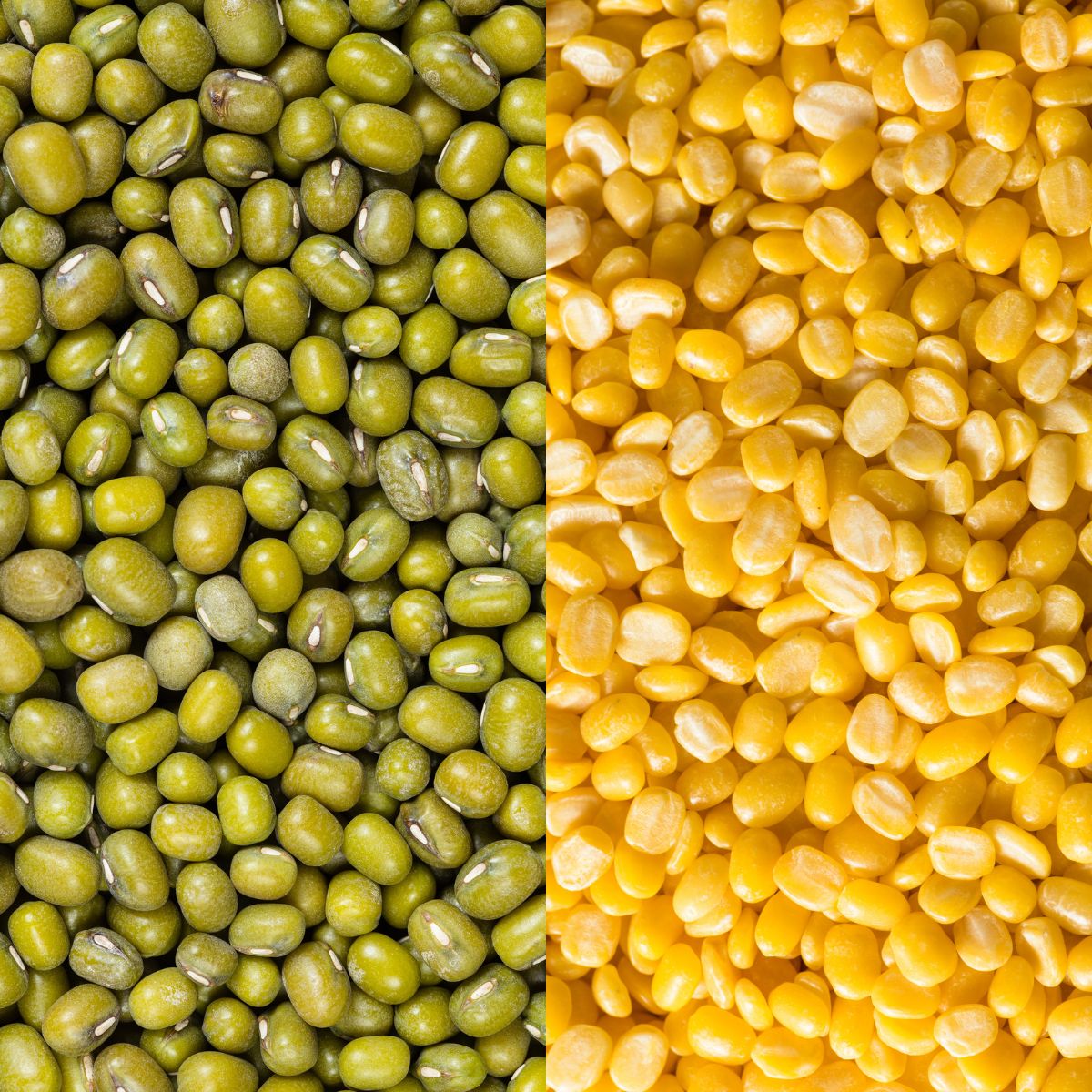
Are mung beans lentils? No, mung beans are not lentils. They are legumes that belong to the Vigna species. However, when these beans are split and hulled, they turn into lentils known as moong dal, or yellow lentils.
Jump to:
Mung Beans and Lentils At A Glance
| Whole Mung Beans | Moong Dal (Split) | Lentils (Red/ Brown) | |
| Soaking time | 6-8 hours (or overnight) | none required | none required |
| Cooking time | 25-30 minutes | 15-20 minutes | 15-20 minutes |
| Texture | Holds shape, creamy inside | soft and mushy | soft and "melt-in-the-mouth" creamy |
| Digestibility | high (easy on the gut) | highest (easiest in digestion) | moderate (can cause bloating) |
Are Mung Beans the Easiest Beans to Digest?
Yes, mung beans are among the easiest beans to digest. Their protein is highly digestible, thanks to their amino acid profile, which means the body can break it down and absorb it more easily.
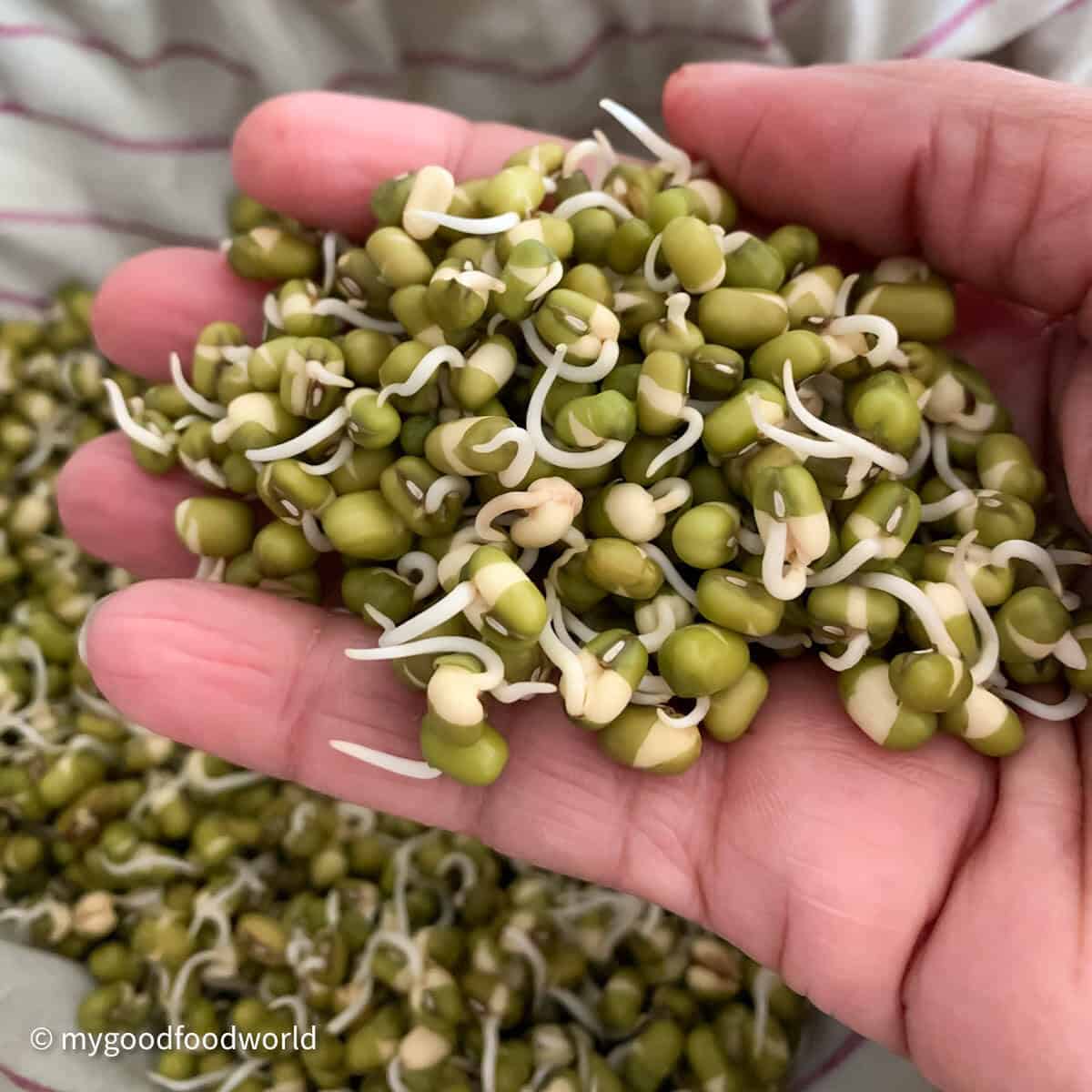
Compared to other beans, mung beans also contain lower levels of phytic acid, an anti-nutrient that can interfere with nutrient absorption. Simple steps like soaking, cooking, and sprouting help reduce phytic acid further, making them even easier on the gut and more nutritious.
If you'd like to try it yourself, here's a simple guide on how to sprout mung beans at home from scratch.
With sprouts on hand, this sprouted mung bean salad could become your go-to working lunch: crunchy, fresh, and done in minutes.
Mung Beans vs. Lentils Nutrition
As someone who enjoys a high-protein vegetarian dinner, I had to dig into mung bean nutrition vs lentils.
What I found was pretty reassuring. Mung beans are nutrient-dense, packed with protein, essential amino acids, and antioxidants.
Lentils hold their own just as well. They're rich in plant fiber, which supports good gut health, and they contain phytochemicals, beneficial plant compounds that may help protect against certain diseases.
Here's a quick side-by-side comparison:
| Mung beans (1 cup, cooked) | Lentils (1 cup, cooked) | |
| Calories | 212 | 200 to 230 |
| Protein | 15g | 15 to18g |
| Dietary Fiber | 15.4g | 12 to 15g |
The verdict? Honestly, both are winners, and that's a relief. I love cooking with mung beans and lentils, so I'm happy I don't have to pick sides.
If you're looking to master plant-based cooking beyond just these two, explore my full lentils and beans collection for more nutrition guides and kitchen tips.
Moong Dal Benefits and Culinary Uses
Moong dal is simply the split and hulled version of mung beans. They are yellow in color, which is why they are often called yellow lentils.
Moong dal comes with plenty of health benefits. It is rich in folate, a good source of prebiotics, and provides iron along with other essential nutrients. It also has a low glycemic index, making it a great choice for steady energy.
It is a staple in Ayurvedic cooking because they are considered balanced, easy to digest, and gentle on the stomach. When paired with a grain like rice, as I do in my kitchari recipe, it forms a more complete and nourishing meal.
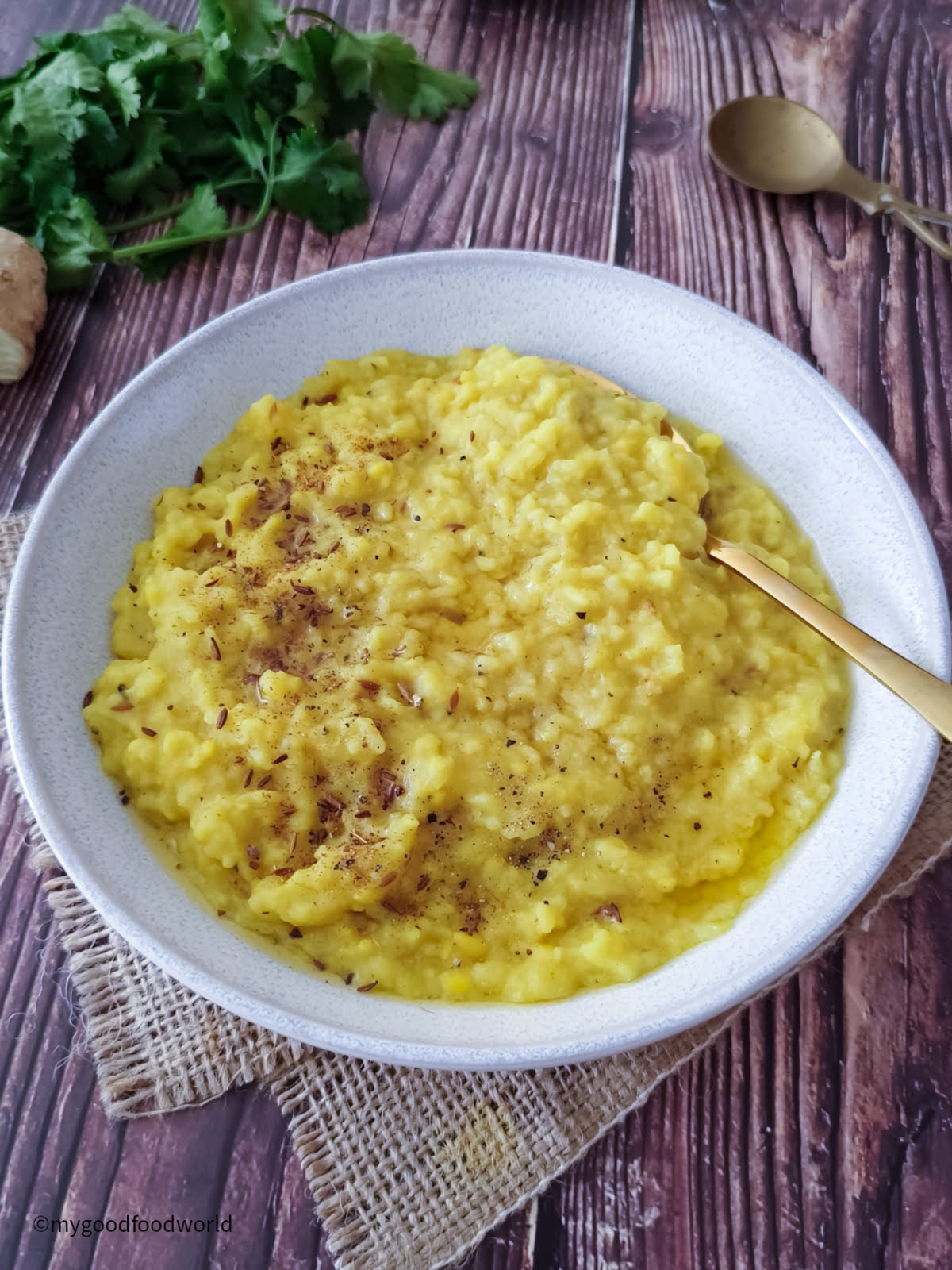
From soups to salads to comforting dals, I love mung lentils for their versatility, mild flavor, and ease of cooking. For example, this lemony yellow lentil soup is ready in under 30 minutes and is a family favorite.
And this bhaja muger dal, made with dry-roasted mung lentils for a deeper flavor, is traditionally prepared without onion or garlic, making it perfect for allium-free days.
I also love using moong lentils with vegetables. This zucchini kootu is a gentle South Indian stew with fresh coconut, and this spinach dal is a quick, nourishing weeknight dish that comes together in about 30 minutes.
And finally, if you have never tried using soaked raw moong lentils in a salad, this carrot kosambari will surprise you. No cooking involved: just soaked lentils, grated carrot, lime, and fresh coconut.
Best Mung Bean Substitutes
Have you run out of mung beans? Or, like me, looking for variety and wondering what a good substitute might be? Here are my top favorites that are similar in size, mild in flavor, and quick to cook:
Red lentils: These are the closest match in texture, especially in soups like my curried carrot and lentil soup or dals, as they break down similarly.
Adzuki beans: Common in Asian cooking. I love them for their nutty flavor and creamy texture. They work well in curries and patties.
Split chickpeas (chana dal): These have a slightly hearty, creamy texture. They are perfect for making my chana dal chutney, dips, and thick purees.
They can cause some bloating and discomfort, so cook them with gut-friendly spices like ginger and cumin, along with good fats such as ghee.
Black-eyed peas (cowpeas): These are perfect for salads and stews, where you want the bean to hold its shape a bit more.
| Best for | Cooking time | |
| Red lentils | soups and dals | 15 to 20 minutes |
| Adzuki beans | desserts, curries, and patties | 45 to 60 minutes |
| Split chickpeas | thick purees, dips, chutneys | 35 to 45 minutes |
| Black-eyed peas | salads and stews | 30 to 60 minutes |
Pro tip: Moong dal is a great substitute for mung beans. Since it's just the split and hulled version of the bean, the flavor is identical (if slightly milder), but it will turn your dish a beautiful golden yellow instead of green.
How To Cook Mung Beans For Better Digestion
If beans are new to your diet or tend to cause discomfort, these simple techniques can help:
Soak the beans. This is non-negotiable. Mung and adzuki beans need about 6 hours, while harder beans like chickpeas and kidney beans do best with 10 to 12 hours.
Pro tip: Soaking softens the beans and reduces cooking time. Always drain and rinse well. Discarding the soaking water helps remove the complex sugars that can cause bloating.
Cook the beans well. Proper cooking improves digestibility. You can use a stovetop, pressure cooker, or Instant Pot. In my "how to cook garbanzo beans" post, I discuss these three methods in detail.
Add seasonings that aid digestion: Asafoetida, cumin, ginger, and coriander all help make beans easier on the stomach.
Padma's top tip: Don't skip the salt. It helps with both flavor and digestion.
Add good fats: Ghee or coconut oil can make beans gentler on the gut and improve overall flavor. This is what makes my mung bean soup taste absolutely divine!
If the soup has you hooked on whole mung beans, this mung bean curry is the dish I turn to most often for a proper protein fix. It is heartier than the soup, made with a spiced tomato gravy, and incredibly satisfying served over rice with a drizzle of ghee.
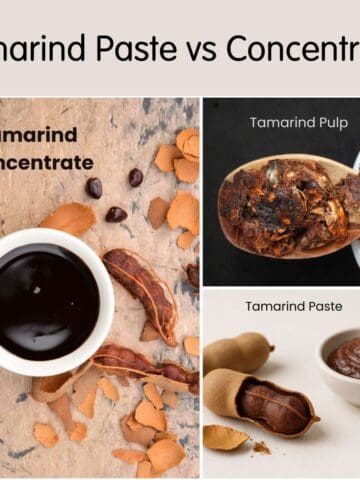
Add acidic ingredients later: Tomatoes, vinegar, or tamarind should be added after the beans are fully cooked, or they can prevent the beans from softening.
Have you tried mung beans yet? Let me know in the comments if they felt easier on your stomach than lentils!

Comments
No Comments