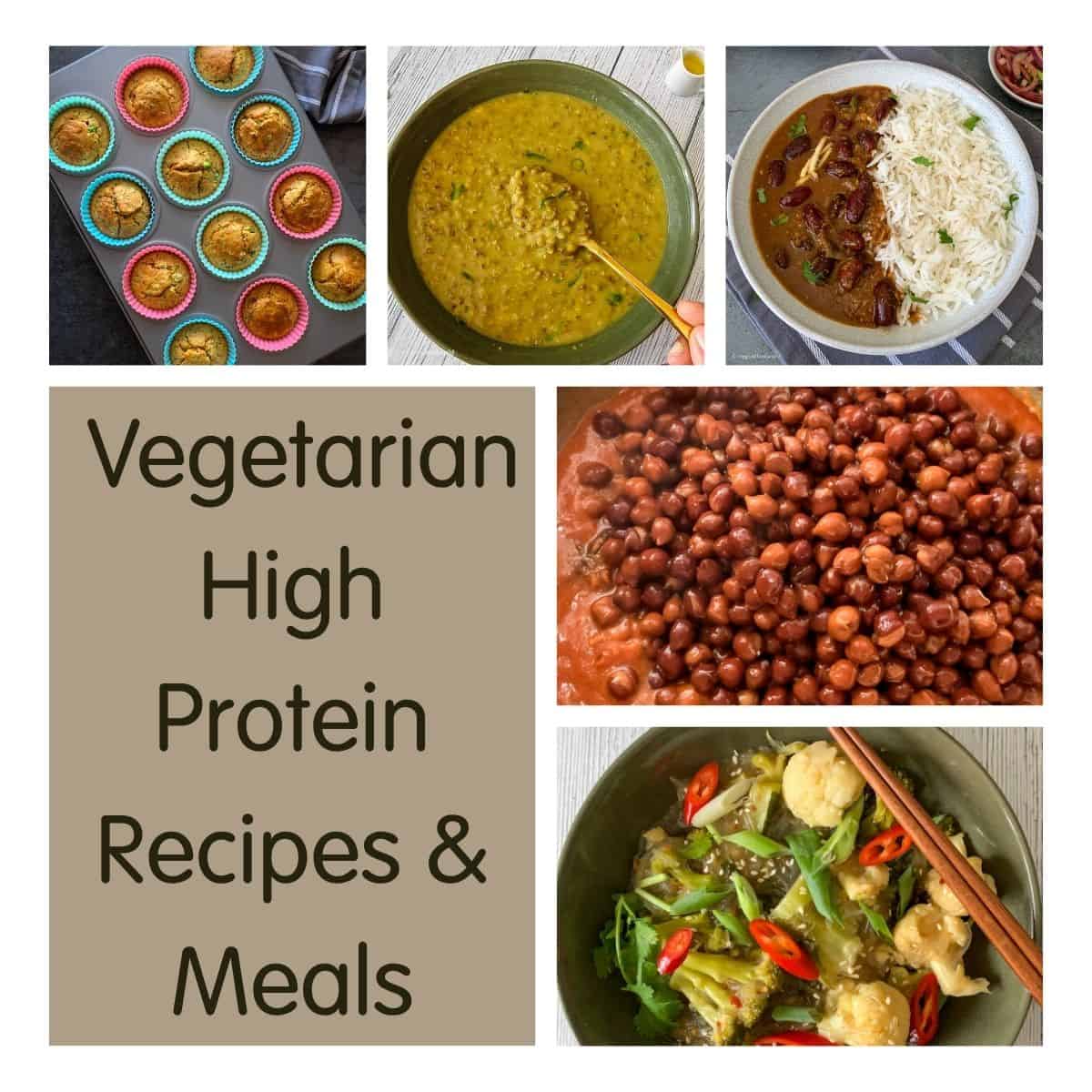
Bookmark this collection of vegetarian high protein recipes and meals. All of these dishes are made without eggs or soy, and they are delicious, nourishing, and energizing!
Save This Recipe
Enter your email & I'll send it to your inbox.
By submitting this form, you consent to receive emails from MyGoodFoodWorld
Vegetarians can easily meet their protein needs without relying on eggs, tofu, or mock meats. With real, wholesome ingredients like lentils, beans, dairy, whole grains, nuts, and seeds, you can build meals that are both hearty and high in protein.
As I mentioned in my black beans vs pinto beans post, lentils and beans are wonderful natural vegetarian protein sources that should be part of your everyday meals. Along with these, my vegetarian high protein recipes use dairy, nuts, seeds, and other simple ingredients to help you eat well and stay nourished.
In this collection of easy vegetarian high protein recipes and meals, you'll find plenty of ideas to build your protein plate and make your meals hearty, filling, and satisfying. From breakfast to dinner, I've got you covered.
For more vegetarian protein-rich ideas, check out my collection of lentil and bean recipes.
Disclaimer: Nutrition info is an estimate, calculated using an online tool based on the ingredients and methods shared. It is not meant to replace professional advice. Changes in ingredient amounts or cooking methods may alter protein content.
Jump to:
What Counts as High Protein For Vegetarians?
A high-protein vegetarian recipe provides at least 15 grams of protein per serving. Some dishes reach this amount on their own, while others work best as a combination. For example, pairing Bengali dal with carrot kosambari salad helps you meet your protein goals.
Protein is essential for muscle building, staying full, maintaining steady energy, and supporting focus throughout the day. For more tips on getting protein without meat, check out this helpful article.
Tips For Boosting Protein In Vegetarian Meals
Here are some simple ways to make your meals more protein-rich:
- Sprinkle nuts or seeds like almonds, cashews, pumpkin seeds, or hemp seeds over salads, soups, or oatmeal.
- Use legumes creatively in curries, soups, and pasta sauces.
- Add paneer, Greek yogurt, or cottage cheese to curries, stir-fries, or breakfast bowls.
- Combine grains and legumes for complete protein, like rice with lentils or quinoa with beans.
- Include protein-rich grains and pseudocereals like millets, amaranth, buckwheat, and quinoa.
Example meal ideas:
- Mix cooked red lentils with cottage cheese and spices for a high-protein lentil curry.
- Use cooked lentils as the base for a creamy pasta sauce.
- Add cashew meal or almond flour to your tortilla or flatbread dough.
- Top overnight oats or salads with chia, flax, or hemp seeds for a protein boost.
The key is to build a balanced plate at every meal that keeps you nourished and satisfied.
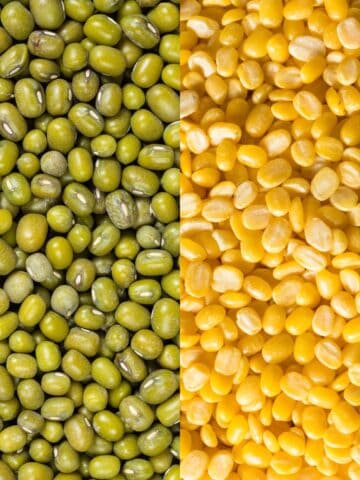
To learn how protein and other nutrients compare in beans and lentils, check out my mung beans vs lentils post.
High Protein Vegetarian Recipes
These recipes are hearty enough to enjoy on their own, though pairing them with sides or garnishes makes them even more wholesome.
Example pairing: Sauteed sweet potatoes with black chickpea curry; toasted peanuts on carrot and lentil soup.
I hope you'll give these recipes a try in your own time. I'd love to hear what you think, so please share your feedback in the comments below!




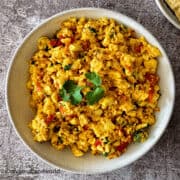
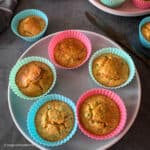

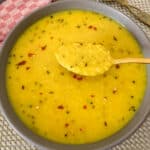
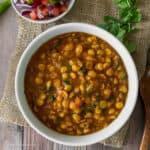
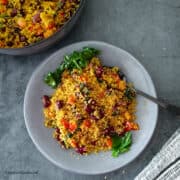


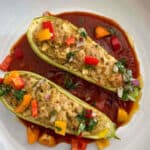
Vegetarian High Protein Meals
These dishes are paired to help you build a complete protein plate, keeping your meals balanced, flavorful, and satisfying.
Note: The Asian noodle soup recipe includes tamari, which contains soy. To keep it soy-free, you can substitute coconut aminos or a soy-free liquid seasoning of your choice.
I can't wait for you to try them and let me know which one becomes your favorite!

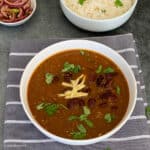


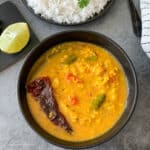
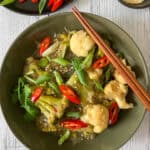

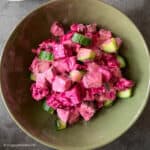
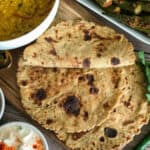
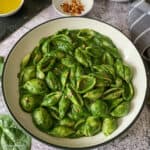
High Protein Vegetarian Meal Prep
Meal prep can make hitting your protein goals much easier, especially when you have a busy week ahead. Here are some simple strategies to make high-protein vegetarian meals a breeze:
Cook lentils and beans in advance: Batch-cook your favorite lentils and beans at the start of the week. Store them in airtight containers in the fridge for up to 4-5 days. This makes it quick to toss them into salads, soups, or curries whenever you need a protein boost.
Sprout beans for extra nutrition: Sprouting mung beans or chickpeas makes them easier to digest. Keep a small jar on your countertop and enjoy sprouts in salads, sandwiches, or wraps.
Keep canned beans on hand: Canned beans are perfect for last-minute meals. Rinse them well, and you have an instant protein source for soups, curries, or grain bowls.
Pre-portion nuts and seeds: Measure out servings of almonds, cashews, pumpkin seeds, or hemp seeds in small containers or snack bags. They're ready to sprinkle over salads, yogurt, or overnight oats for a quick protein boost.
Prep versatile grains: Cooked quinoa, buckwheat, or millets can be stored in the fridge for several days. Pair them with beans, lentils, or roasted vegetables for fast, protein-rich meals.
Plan protein combos: Think ahead about pairing grains and legumes or beans with dairy to make complete protein meals. For example, a chickpea salad with paneer cubes can be prepped ahead and kept ready for lunch or dinner.
With a little planning, you can make sure high-protein vegetarian meals are always within reach, even on your busiest days.
FAQs
Most adults need about 0.8 grams of protein per kilogram of body weight per day. For example, someone who weighs 60 kg (132 lbs) should aim for roughly 48 grams of protein daily. Needs may be higher if you are very active, pregnant, or breastfeeding. Eating a variety of lentils, beans, dairy, grains, nuts, and seeds can easily help meet daily protein goals.
Vegetarian high-protein foods include lentils, beans, chickpeas, paneer, dairy, nuts, seeds, quinoa, buckwheat, amaranth, millets, and oats. Combining grains and legumes helps ensure you get all essential amino acids.
Yes. By eating a variety of lentils, beans, dairy, grains, pseudocereals like quinoa and buckwheat, nuts, and seeds, vegetarians can meet their protein needs. Combining foods such as dal with rice or quinoa with vegetables and yogurt creates balanced meals that provide complete protein without eggs or soy.
Davindra Ramnarine says
That's a very nice collection you have there. I'll definitely be trying some of them.
Padma Kumar says
Thank you so much, I look forward to it!
Krystian says
I'm super fascinated by your muffin recipe. My hubby would love a "spicy" muffin, my word for chili. We'll have to try these. I'm always looking for more ways to get more protein!
Padma Kumar says
The muffin recipe is our favorite one and it is quite portable and so works in work lunches and parties alike!
Ann says
I really enjoyed this because I’ve been looking for more meals that are vegan and also free of eggs since my grands are allergic. Finding high protein recipes without eggs or soy can feel like a challenge, so this collection came at the perfect time.
Padma Kumar says
Thank you Ann. I hope you try these.
Vanessa says
I adore Indian food, but I've never tried making it myself. Your recipes make it seem easy, though. Maybe I'll try the Palak Paneer first.
Padma Kumar says
A lovely choice Vanessa. I highly recommend it, not just because it is a family favorite, but also because it is super simple to make.